INTRODUCTION
Patients with type 2 diabetes (T2D) are frequently hospitalized due to poor glycemic control and comorbidities. Management aims to achieve near-normal glucose levels to reduce complications, though hypoglycemia remains a risk1,2. In non-critical patients, fasting glucose < 140 mg/dL and postprandial < 180 mg/dL are recommended to avoid dehydration, ketoacidosis, and infections3,4. Hypoglycemia is defined as < 70 mg/dL (mild) or < 54 mg/dL (severe), and its identification is key to adjust treatment and reduce insulin doses5. Basal-bolus regimens, combining basal insulin (e.g., glargine) and rapid-acting analogs, are widely used6. However, NPH insulin can be administered twice daily regardless of meal timing, which may be more feasible in low-resource settings. In the RABBIT 2 and RABBIT 2 surgery trials, basal-bolus regimens with insulin analogs improved glycemic control versus sliding scales7,8. Umpierrez et al. also found no significant differences in glycemic control or hypoglycemia between basal-bolus (detemir + aspart) and NPH + regular insulin (two-thirds AM and one-third PM)9. Another study comparing glargine + glulisine versus premixed NPH + regular insulin showed similar glycemic control but was halted due to > 50% hypoglycemia in the premix group10. Bueno et al. found similar hypoglycemia prevalence between analog basal-bolus and human insulin regimens (35 vs. 38%; p = 0.68)11. The Basal Plus trial compared glargine + glulisine (basal-bolus) with glargine alone, showing similar glycemic control after the 1st day but more hypoglycemia in the basal-bolus group (16 vs. 13 and 3%; p = 0.02)12. A meta-analysis by Christensen et al. confirmed higher mild hypoglycemia risk with basal-bolus versus sliding scale13. In a study conducted in a Mexican population, 3-times-daily NPH insulin demonstrated efficacy and a safety profile comparable to those of the basal-bolus scheme14. Another study in a Mexican population reported that, compared with NPH insulin, insulin glargine achieved better glycemic control; however, the study did not include an analysis of hypoglycemia risk15. Although NPH insulin has been included in comparative studies, the optimal administration regimen remains uncertain. This study aimed to evaluate the efficacy and safety of an NPH basal regimen compared with a basal-bolus regimen in non-critical hospitalized patients with T2D in a secondary-level hospital in Mexico.
METHODS
Study design and population
This was a prospective, open-label, controlled clinical trial conducted at Hospital General León, Guanajuato, Mexico, in non-critical patients with T2D admitted to medical and surgical units. Participants were randomized 1:1 using a computer-generated sequence with variable block sizes, stratified by hospital unit. Patients were recruited between November 15, 2017, and June 01, 2018. Eligible participants were adults (> 18 years) with a confirmed diagnosis of T2D, treated with diet, oral antidiabetic agents, insulin, or combinations. Exclusion criteria included parenteral or continuous enteral nutrition, glomerular filtration rate (GFR) < 15 mL/min or renal replacement therapy, hyperosmolar state, ketoacidosis, type 1 diabetes, stress hyperglycemia, steroid therapy > 10 mg/day prednisone, pregnancy, Child-Pugh C liver disease, acute pancreatitis, or sepsis. Comprehensive training was provided to all medical and nursing personnel to ensure understanding and compliance with the protocol framework. A standardized 1600-2000 kcal diet (40% carbs, 20% protein, 40% fat) was prescribed based on weight and distributed in three meals per day. The study was approved by the ethics and research committee of the hospital (SSGTO00136) and registered at https://www.clinicaltrials.gov/ (NCT03350984). Written informed consent was obtained. This trial is reported in accordance with the Consolidated Standards of Reporting Trials guidelines. Outcomes: Primary efficacy outcome – glycemic control (assessed by mean daily blood glucose, with targets defined as fasting 70-140 mg/dL and postprandial < 180 mg/dL), as well as sustained glycemic control (defined as the proportion of patients with capillary glucose values within target throughout hospitalization). Secondary safety outcomes – hypoglycemic events (counts of mild and severe episodes) and patient-level occurrence (≥ 1 and ≥ 2 events). Descriptive outcomes – in-hospital complications (including death), causes of failure to achieve sustained control and number of days to reach control.
Insulin treatment
Participants received either a basal-bolus regimen (glargine once daily + lispro before meals) or an NPH basal regimen (two doses/day). Oral hypoglycemics were discontinued at admission. Insulin dosing was based on admission glucose: 140-200 mg/dL: 0.4 U/kg/day, 201-400 mg/dL: 0.5 U/kg/day, high hypoglycemia risk (patients with localized infection, GFR 16-30 mL/min or adults over 70 years): 0.3 U/kg/day. In the basal-bolus group, 50% of the dose was glargine at 08:00 h, 50% lispro (before meals). The NPH group received 2/3 of total dose at 08:00h and 1/3 at 20:00 h. If a patient did not eat, the respective dose was withheld. Daily dose adjustments: fasting < 140 mg/dL: no change, 140-180 mg/dL: +10%, > 180 mg/dL: +20%, < 70 mg/dL: −20%. Correction: Insulin lispro was given per protocol if glucose exceeded targets (Supplementary table 1). Capillary glucose was checked fasting, 2 h post-meal, at 03:00 h, and anytime with symptoms. Hypoglycemia was managed with 15 g of oral glucose or intravenous glucose, repeated every 15 min until glucose > 70 mg/dL. Regimens were discontinued after two or more events despite dose reduction, and patients were switched to an alternative regimen with a lower risk of hypoglycemia.
Statistical analysis
Qualitative variables were presented as frequencies (%) and quantitative variables as means ± standard deviation or medians with interquartile ranges. Normality was assessed using the Kolmogorov-Smirnov test. Comparisons used Chi-square or Fisher’s exact test and Student’s t-test or Mann-Whitney U test. Statistical significance was set at p < 0.05. Risk ratio (RR), number needed to harm (NNH), and 95% confidence intervals (CI) were calculated for outcomes. Intention-to-treat and per-protocol analyses were performed. Data analysis was performed using IBM Statistical Package for the Social Sciences Statistics v24.0, IBM Corp., Armonk, NY, USA.
RESULTS
Among 111 screened patients, 35 did not meet the inclusion criteria. 76 were randomized; one was excluded due to sepsis before starting treatment, leaving 75 patients for the intention-to-treat analysis (36 basal-bolus; 39 NPH). At the end of the study, 28 patients in the basal-bolus and 31 patients in the NPH regimen completed the per-protocol analysis (Fig. 1).
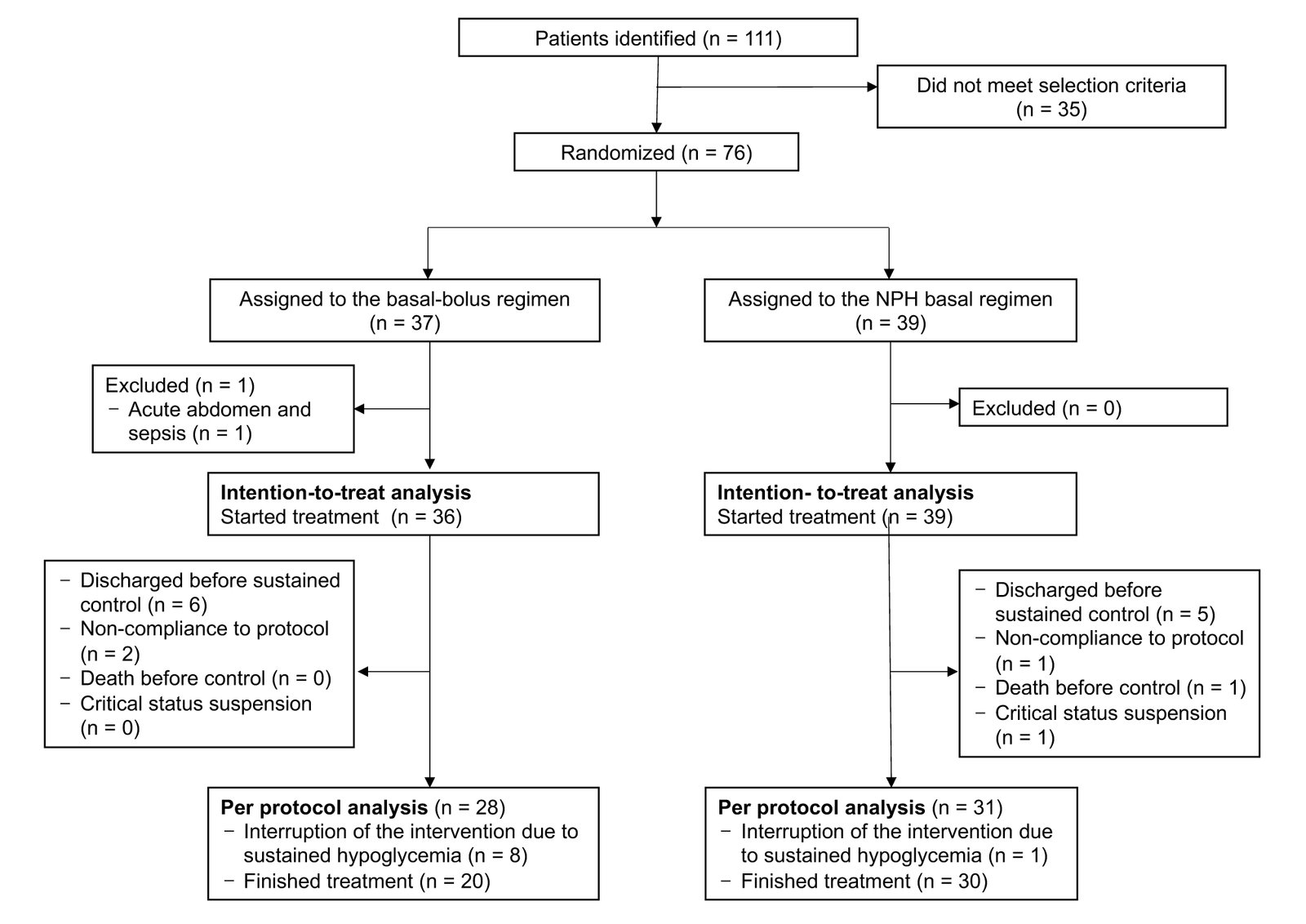
Figure 1. Flowchart of the participants in the study.
Of the 75 patients in the intention-to-treat analysis, 41 (54.7%) were women, 18 (24%) were in the internal medicine service, 29 (38.7%) were in traumatology, and 28 (37.3%) were in general surgery. The mean age of patients was 57.8 ± 13 years. The mean body mass index was 26 ± 5.1 kg/m2. The mean random glucose at admission was 230.5 ± 70.2 mg/dL; the hemoglobin A1c level was 8.3 ± 2.3% and serum creatinine was 1 ± 0.5 mg/dL. Before admission, 25 (33.3%) patients were receiving oral hypoglycemic agents, 25 (33.3%) insulin, and 12 (16%) a combination of both; 13 (17.3%) were untreated or newly diagnosed at admission. The mean dose of insulin administered was 29.6 ± 11.6 U, and the length of hospital stay was 9.3 ± 5 days (Table 1).
Table 1. Baseline characteristics of the population between the groups
| Clinical and biochemical characteristics | Total of patients (n = 75) (%) | Basal-bolus regimen (n = 36) (%) | NPH basal regimen (n = 39) (%) |
|---|---|---|---|
| Age, years, mean (SD) | 57.8 (± 13) | 56.4 (± 12.9) | 59 (± 13.1) |
| Sex Female Male Glucose at admission (mg/dL) HbA1c, n (%) (mmoL/moL) Creatinine (mg/dL) Weight (kg) Height (m) Body mass index |
41 (54.7) 34 (45.3) 230.5 (± 70.2) 8.3 (± 2.3) 67 (± 25) 1.0 (± 0.5) 68.2 (± 15.6) 1.6 (± 0.1) 26 (± 5.1) |
21 (58.3) 15 (41.7) 223.1 (± 67) 8.6 (± 2.2) 70 (± 25) 1.1 (± 0.6) 68 (± 16.4) 1.6 (± 0.1) 26.2 (± 5.5) |
20 (51.3) 19 (48.7) 237.3 (± 73.1) 7.9 (± 2.4) 63 (± 26) 0.9 (± 0.4) 68.4 (± 15) 1.6 (± 0.1) 25.8 (± 4.8) |
| Hospital unit Internal medicine Traumatology and orthopedics General surgery |
18 (24) 29 (38.7) 28 (37.3) |
11 (30.6) 11 (30.6) 14 (38.9) |
7 (17.9) 18 (46.2) 14 (35.9) |
| Treatment before admission No treatment Diet and exercise Oral hypoglycemic agents Insulin Oral hypoglycemic agents + insulin Mean insulin dose (U) Insulin on admission Insulin on discharge Days of hospital stay |
13 (17.3) 0 (0) 25 (33.3) 25 (33.3) 12 (16) 29.6 (± 11.6) 27.6 (± 7.5) 27.8 (± 17.6) 9.3 (± 5) |
7 (19.4) 0 (0) 12 (33.3) 12 (33.3) 5 (13.9) 28.7 (± 9.5) 26.3 (± 7) 25.9 (± 17.9) 9.1 (± 5) |
6 (15.4) 0 (0) 13 (33.3) 13 (33.3) 7 (17.9) 30.3 (± 13.3) 28.7 (± 7.8) 29.5 (± 17.3) 9.4 (± 5.2) |
Unless otherwise indicated, results are reported as mean and standard deviation.
SD: standard deviation; HbA1c: hemoglobin A1c; NPH: neutral protamine hagedorn.
Primary efficacy outcomes included glycemic control and sustained glycemic control. The mean total glucose was 146.3 ± 19.7 mg/dL in the basal-bolus regimen and 144.9 ± 24.4 mg/dL in the NPH basal regimen (p = 0.784). The mean fasting glucose was 135 ± 22.6 mg/dL in the basal-bolus regimen versus 129.6 ± 23.6 mg/dL (p = 0.114) in the NPH basal regimen. The mean postprandial glucose was 156.2 ± 27.2 mg/dL versus 155.4 ± 29 mg/dL (p = 0.902). Sustained glycemic control was achieved in 20 (55.6%) of cases in the basal-bolus regimen compared with 30 (76.9%) in the NPH basal regimen (for intention-to-treat, RR: 0.72; 95% CI: 0.51-1.01; p = 0.049; per-protocol, RR in favor of the NPH group: 0.74; 95% CI: 0.58-0.94; p = 0.009). These results are presented in table 2 (intention-to-treat) and supplementary table 2 (per-protocol).
Table 2 Primary efficacy, secondary safety, and descriptive outcomes (intention-to-treat analysis)
| Outcomes | Basal-bolus regimen (n = 36) (%) | NPH basal regimen (n = 39) (%) | Risk ratio(95% CI) | p |
|---|---|---|---|---|
| Primary efficacy outcomes Mean total glucose (mg/dL) Mean fasting glucose (mg/dL) Mean postprandial glucose (mg/dL) Sustained control |
146.3 (± 19.7) 135 (± 22.6) 156.2 (± 27.2) 20 (55.6) |
144.9 (± 24.4) 129.6 (± 23.6) 155.4 (± 29) 30 (76.9) |
0.72 (0.51-1.01) | 0.784a 0.114d 0.902a 0.049b |
| Secondary safety outcomes No. of hypoglycemic events Mild hypoglycemic events Severe hypoglycemic events Fasting hypoglycemic events Patients with at least one hypoglycemic event Patients with two or more hypoglycemic events Number of total events/patient hypoglycemic |
38 36 (94.7) 2 (5.2) 8 (21) 15 (41.6) 8 (22.2) 2.5 (± 1.6) |
26 24 (92.3) 2 (7.6) 8 (30.7) 15 (38.4) 2 (5.1) 1.7 (± 0.9) |
1.03 (0.90- 1.17) 0.68 (0.10-4.55) 0.68 (0.29- 1.59) 1.08 (0.62-1.89) 4.33 (0.98-19.07) |
1c 1c 0.377b 0.777b 0.041c 0.182d |
| Descriptive outcomes | ||||
| In-hospital complications Soft tissue infections Pneumonia Acute respiratory failure Acute renal failure Death* Failure to sustain control Discharged before sustained control Critical status suspension Death before control* Non-compliance with protocol Interruption due to sustained hypoglycemia Number of days to reach control |
9 (25) 1 (2.8) 0 (0) 1 (2.8) 1 (2.8) 16 (44.4) 6 (16.7) 0 (0) 0 (0) 2 (5.6) 8 (22.2) 4.9 (± 2.1) |
14 (35.9) 0 (0) 1 (2.6) 0 (0) 1 (2.6) 9 (23.1) 5 (12.8) 1 (2.6) 1 (2.6) 1 (2.6) 1 (2.6) 4.7 (± 2.3) |
0.7 (0.34-1.41) 0 0 0 1.08 (0.07-16.69) 1.93 (0.98-3.80) 1.30 (0.43- 3.89) 0 0 2.17 (0.21-22.89) 8.67 (1.14-65.92) |
0.305b 0.479c 1c 0.479c 1c 0.049b 0.639b 1c 1c 0.604c 0.011c 0.445d |
*Deaths were not associated with the use of insulin.
aStudent’s t-test.
bChi-square test.
cFisher’s exact test.
dMann-Whitney U-test.
CI: confidence interval
Secondary safety outcomes included the number of hypoglycemic events and the occurrence of at least one hypoglycemic event. Thirty-eight hypoglycemic events were found in the basal-bolus regimen and 26 in the NPH basal regimen. Thirty-six were mild hypoglycemic events in the basal-bolus regimen and 24 in the NPH basal regimen (RR per-protocol: 1.02; 95% CI: 0.91-1.19; p = 1.00. RR for intention-to-treat: 1.03; 95% CI: 0.90-1.17; p = 1.00). In the basal-bolus regimen, 15 (41.6%) patients experienced at least one hypoglycemic event during hospitalization; in the NPH basal regimen, 15 (38.4%) experienced at least one hypoglycemic event (per-protocol, RR: 1.11; 95% CI: 0.62-1.97; p = 0.729. For intention-to-treat analysis, RR = 1.08; 95% CI: 0.62-1.89; p = 0.777). The experience of two or more hypoglycemic events was observed during hospitalization in 8 patients of the basal-bolus regimen and 2 patients of the NPH basal regimen (22.2 vs. 5.1% per-protocol, RR = 7.75; 95% CI: 1.02-59.13; p = 0.021 for intention-to-treat, RR: 4.33; 95% CI: 0.98-19.07; p = 0.041). The basal-bolus regimen showed a significant difference in the persistence of hypoglycemic events during the follow-up (Fig. 2).
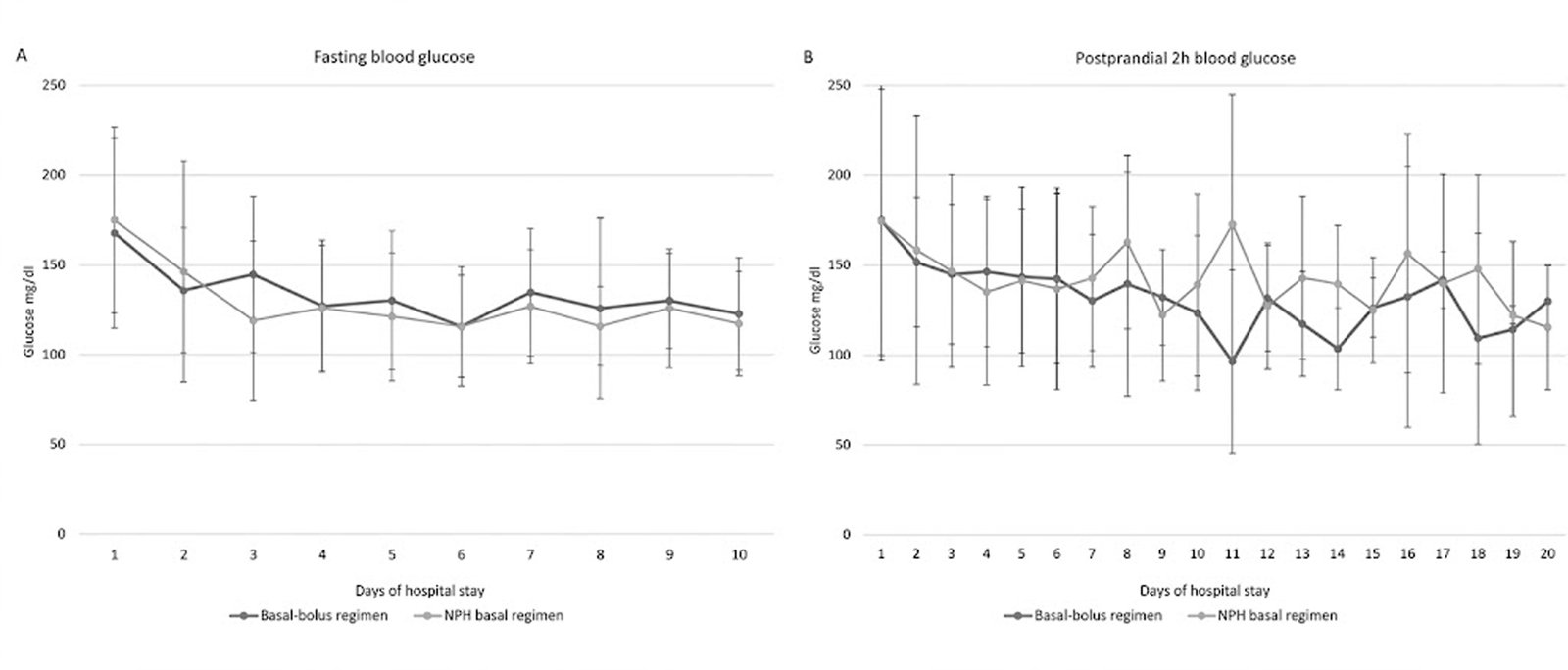
Figure 2. Glucose levels during hospitalization.
In the descriptive outcomes, a relevant descriptive finding was treatment interruption due to persistent hypoglycemia, which occurred in 8 patients in the basal-bolus group and in 1 patient in the NPH group (RR 8.67; 95% CI 1.14-65.9). The NNH was 5.09 (95% CI 2.93-19.23), indicating that for every five patients treated with the basal-bolus regimen, one additional discontinuation would be expected due to persistent hypoglycemia compared with the NPH basal regimen. The rest of the results are shown in table 2 for intention-to-treat analysis and in supplementary table 2 for per-protocol analysis. The different causes of admission are observed in supplementary table 3.
DISCUSSION
In this randomized trial, both regimens achieved glycemic control and a similar risk of at least one hypoglycemic event; however, two or more hypoglycemic events per patient occurred significantly more often in the basal-bolus group (22.2%) than in the NPH group (5.1%). This prompted a regimen change in about one-fourth of the basal-bolus patients. In contrast, in the NPH group, adjusting the insulin dose within 24 h was sufficient to prevent additional events. Under ideal conditions, the basal-bolus regimen is effective for glycemic control; however, in a hospital setting with multiple physiological stressors, it can increase the risk of hypoglycemia, which affects 12-32% of patients receiving this regimen13,16,17. A similar approach was explored by Umpierrez et al. in their basal-plus trial comparing a basal-bolus regimen with basal insulin alone using insulin glargine12. Several factors may explain the higher incidence of hypoglycemia in patients on the basal-bolus regimen. This approach requires close coordination between insulin administration and nutritional intake, which is often disrupted in hospital settings due to inconsistent meal timing. Delays or errors in prandial insulin delivery can further impair glycemic control. In addition, the basal-bolus regimen is more resource-intensive, demanding greater staffing for glucose monitoring and insulin adjustments. These challenges support evaluating alternatives such as NPH insulin as basal therapy. Other relevant contributors to inpatient hypoglycemia include stress-induced dysregulation16,18, increased vulnerability in the elderly19, impaired insulin clearance in renal insufficiency16,18, reduced intake after prolonged stays20, and interruptions in enteral feeding due to surgical procedures. Given the impact of these factors on hypoglycemia-related morbidity and mortality, adapting insulin regimens to hospital conditions is essential. Although NPH insulin is non-physiologic and has a peak that may predispose to early hypoglycemia, our findings suggest that when used without regular insulin and properly adjusted, it maintains glycemic control with fewer hypoglycemic events (two or more episodes). Moreover, NPH insulin is a cost-effective option for institutions with limited access to analogs21.
This study has limitations. Patients with soft tissue infections were included, potentially increasing the hypoglycemia risk. Although only patients on oral diets were enrolled, some experienced decreased intake during prolonged hospitalizations. In our high-demand public hospital, implementing ideal basal-bolus protocols was challenging. We acknowledge that patient recruitment took place between 2017 and 2018, when glycemic targets and clinical guidelines differed from the most recent recommendations. An additional limitation is that the basal-bolus regimen in our protocol used a fixed 50/50 basal-to-prandial insulin distribution (glargine/lispro), which may not reflect current individualized inpatient practice. In many settings, basal-bolus dosing is adjusted according to nutritional intake, insulin sensitivity, and dynamic clinical changes (e.g., 60/40, 70/30).
We acknowledge that more recent Mexican studies have evaluated similar inpatient insulin comparisons with clearer intervention protocols and contemporary designs, including studies published in 2023 and 202414,15. Our study should therefore be interpreted as pragmatic evidence from a public secondary-level hospital in a resource-limited setting, rather than as definitive evidence for current standard practice. We also recognize that more advanced and safer strategies for inpatient glycemic management are now available. However, the resources, insulin availability, and hospital dynamics in our setting justified the use of these protocols at that time. Despite these constraints, our findings remain clinically relevant for institutions facing similar limitations.
Nonetheless, the study has strengths. It was sufficiently powered to detect differences between regimens. Standardized training in hyper- and hypoglycemia management was provided to all healthcare staff, and participants included both medical and surgical patients. We reported both intention-to-treat and per-protocol analyses and followed patients throughout hospitalization until discharge. Risk analysis showed that 1 in 5 patients on basal-bolus therapy experienced ≥ 2 hypoglycemic events – a notable finding not often emphasized in the literature.
We believe that the safest and most feasible strategy should be tailored to each hospital’s resources, possibly through individualized treatment using basal-bolus insulin, basal insulin alone, or non-insulin therapies. Although conducted in a secondary-level hospital in Mexico, our findings may be applicable in similar low-resource settings. A multicenter randomized trial is needed to further explore optimal glycemic control approaches and identify which patients truly benefit from intensive insulin regimens versus basal insulin alone, whether long- or intermediate-acting.
In conclusion, in our setting, a basal NPH regimen was a viable alternative that achieved glycemic control and a similar risk of at least one hypoglycemic event and was associated with fewer recurrent hypoglycemic events than the standardized basal-bolus regimen used in this trial. However, these findings should be interpreted considering the limitations of the study design and local operational constraints. These findings support future protocols exploring individualized insulin regimens and combinations with non-insulin agents in selected patients.
ACKNOWLEDGMENT
†J.U. Pérez-Hernández and E. Gómez-Vargas made significant contributions as medical advisors. They reviewed the research proposal and manuscript and contributed to the discussion. Both passed away before the final version of this article was completed.
We thank the team of residents of internal medicine and medical school students of the University of Guanajuato who helped us with the supervision and data collection: Josué Vargas, Montserrat Magaña, Antonio Salceda, Iván Bueno Ríos, Isabel De la Fuente, Fernanda Moreno, José Rodríguez, and Héctor Orozco.
FUNDING
This manuscript was financed by Seguro Popular, a health sector system in Mexico.
CONFLICTS OF INTEREST
The authors declare that they have no conflicts of interest.
ETHICAL CONSIDERATIONS
Protection of human subjects and animals. The authors declare that no experiments on humans or animals were performed for this research.
Confidentiality, informed consent, and ethical approval. The authors have followed their institution's confidentiality protocols, obtained informed consent from all patients, and secured approval from the Ethics Committee. SAGER guidelines have been followed as applicable to the nature of the study.
Declaration on the use of artificial intelligence. The authors declare that no generative artificial intelligence was used in the writing or creation of the content of this manuscript.
SUPPLEMENTARY DATA
Supplementary data are available at DOI: 10.24875/RME.25000028. These data are provided by the corresponding author and published online for the benefit of the reader. The content of the supplementary data is the sole responsibility of the authors.
